Environmental encroachment Curriculum
Overview:
People need places to live, work, and play—and animals need places to live too. How can we make room for both?
Age: 5–7
Format: 3 lessons
Group size: Individual, Small group
ESSENTIAL QUESTION
“What happens when people and animals need the same space?”
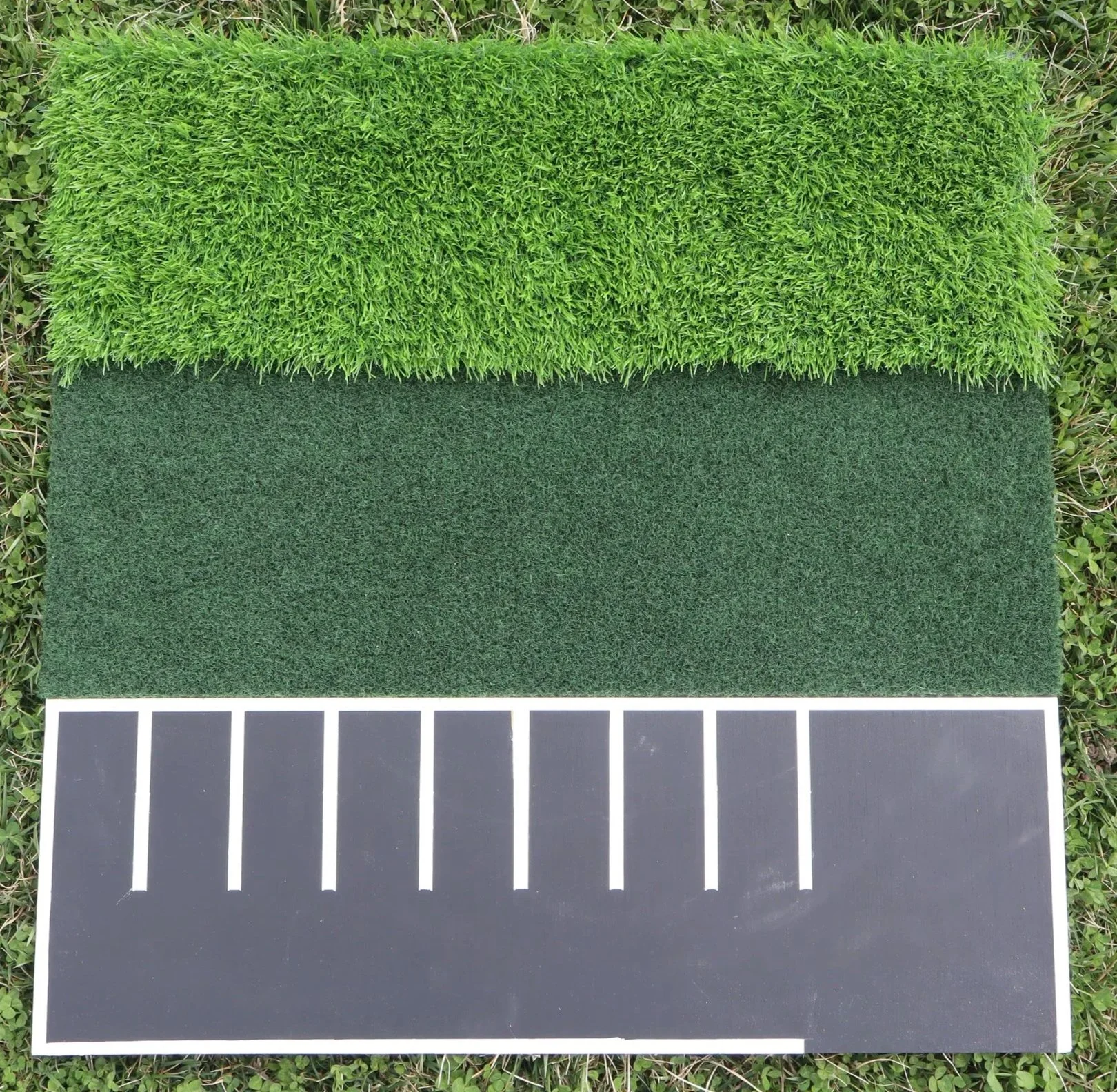
This model allows children to physically see habitat being replaced by development and experiment with different ways of sharing space.
LESSON 1 — WHO LIVES HERE?
Goal:
Children discover that even an ordinary patch of land can be a habitat.
Start with the model showing the large natural area.
Ask:
“Who do you think could live here?”
Have children imagine animals that might use the habitat.
They might suggest:
Birds
Rabbits
Insects
Mice
Squirrels
Butterflies
Bees
Frogs
Small mammals
Explore
Give each child an animal and ask:
“Where would your animal go?”
“What does it need?”
“What would it eat?”
“Where could it hide?”
“Where could it rest?”
Discovery
Children begin to recognize that habitat isn't just an empty piece of land.
It is a place containing the things animals need.
Takeaway
“A habitat is a home for living things.”
LESSON 2 — WE NEED SOME SPACE
Goal:
Children discover why people change landscapes.
Introduce the parking lot/development area.
Tell the children:
“People need places to park cars, build homes, go to work, and visit places. Let's imagine that we need to build something here.”
Remove section to reveal a now development portion of the habitat.
Add cars and structures to the developed part.
Ask:
“What changed?”
Have children compare the landscape before and after development.
Questions:
What happened to the plants?
Where did the animals go?
Is there still habitat?
Did all of the habitat disappear?
What happens if we keep building?
Key Concept
Introduce:
Development: Building things where there wasn't something built before.
Then introduce:
Habitat encroachment: When people or development move into the places animals use as habitat.
For 5 year olds, simplify it to:
“People are taking up some of the animals' space.”
LESSON 3 — CAN PEOPLE AND WILDLIFE SHARE THE SPACE?
Goal:
Children begin thinking about solutions rather than simply identifying a problem.
Tell the children:
“People still need this place. The animals still need their habitat. Can we find a way for both to use the landscape?”
Give children building materials.
They can experiment with:
Trees
Plants
Pollinator gardens
Water
Smaller development areas
Habitat patches
Green spaces
Wildlife friendly areas
Design Challenge:
“Make a place where people can use the land AND animals can still find what they need.”
Let children modify the model.
There’s no right answer!