
Habitat Fragmentation Curriculum
Overview:
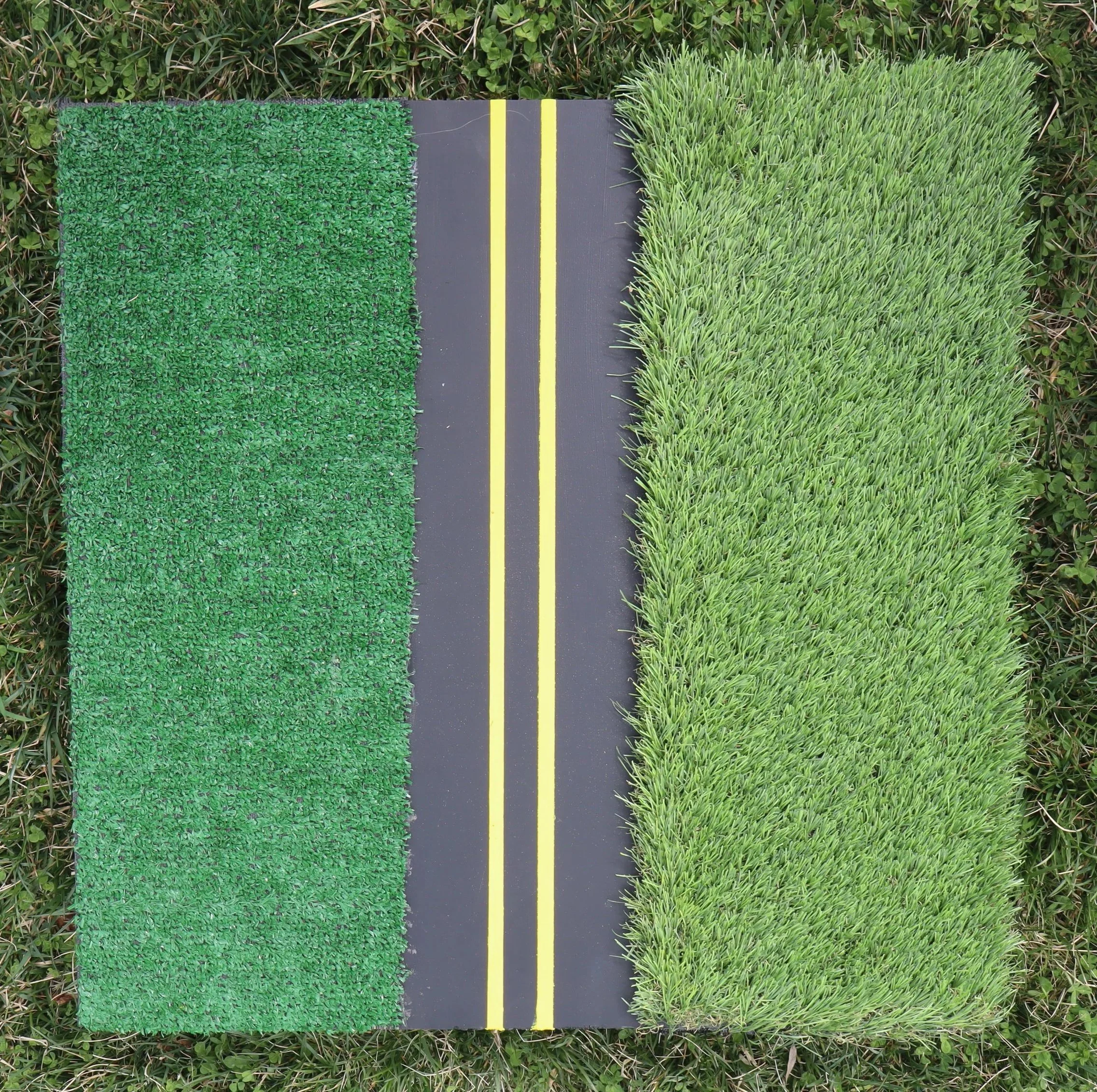
Animals need connected places to live, find food, and move safely. When roads divide their habitat, we can create ways to reconnect it.
Recommended format: 3 lessons
Age: 5–7
Group size: Individual, small group
ESSENTIAL QUESTION
“How can we help animals get where they need to go?”
Rather than beginning with the term habitat fragmentation, children first experience the problem.
LESSON 1 — Animal needs
Goal:
For children understand that animals need different resources from their habitats.
Intro
Tell the children:
“Imagine you are a wild animal. Where would you live? Where would you find food? Where would you get water? Where would you hide?”
Place several animal pieces on the model.
Ask:
Where do you think this animal lives?
What does it need?
Where would it find food?
Where could it hide?
Does it need to move around?
Hands-On Activity: Build an Animal Home
Have children choose an animal and create its ideal habitat using loose pieces:
Trees
Water
Grass
Rocks
Shelter
Food
Open spaces
Then have them move their animal around its habitat.
Discovery
Ask:
“What happens if your animal needs something that isn't right next to its home?”
This introduces the importance of movement without introducing complicated terminology.
Takeaway
Animals need homes, but they also need places to move.
LESSON 2 — Road barrier
Goal
Children discover how a road and other barriers can divide habitats.
Start with the intact landscape.
Say:
“This is a beautiful place for animals. But people need a road to get from one place to another.”
remove center grass pieces to reveal a road across the model.
Then add cars on the road.
Challenge
Give each child an animal.
Say:
“how could your animal get from one side of the habitat to the other now?”
Let them try.
Some will naturally try to avoid the cars.
Others will mostly likely have their animal hit a car.
There is no wrong answer.
Ask
What happened?
Is the animal's home still there?
Can it get to its food?
Can it get to another animal?
What happens if it needs to cross the road?
Introduce the Vocabulary
Habitat: A place where an animal lives.
Barrier: Something that makes it difficult or dangerous to get somewhere.
Fragmentation: When one large habitat becomes separated into smaller pieces.
For 5 year olds, simplify it to:
“An animal’s big home got broken into little pieces.”
Takeaway
When habitats become separated, animals can have a harder time moving around
LESSON 3 — Wildlife Bridge
Goal
Children discover that humans can design solutions that help animals move between habitats.
Show the wildlife bridge on the model.
Ask:
“What do you think this is for?”
Let them investigate before explaining.
Then demonstrate by placing the bridge across a road
Move an animal across it.
Engineering Challenge
Give children simple materials:
Wooden blocks
Cardboard
Craft sticks
Natural materials
Small pieces of felt
Twigs
Moss
Leaves
Challenge:
“Can you build a safe way for an animal to cross the road?”
There is no single correct solution.
Children can build:
Bridges
Tunnels
Overpasses
Habitat strips
Stepping stone habitats
Test It
Have children move animals through their creations.
Ask:
Can the animal get across?
Is it connected to habitat?
Would the animal want to use it?
What could make it safer?
Takeaway
People can change landscapes in ways that help wildlife.